
Top Products For Drywall Repairs To Simplify Your Fixes
Explore essential tools and supplies designed to make drywall repairs easier, faster, and more professional-looking.
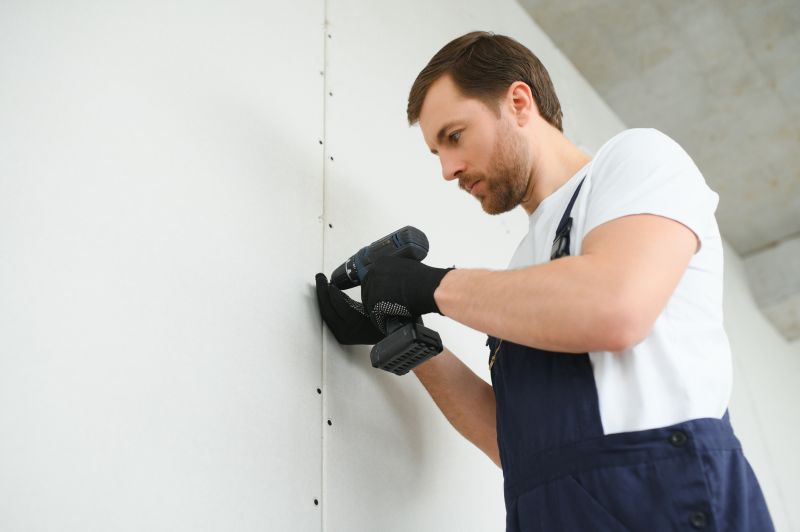 Repairing drywall is a common task in home improvement and maintenance, requiring a variety of specialized products to achieve professional-looking results. Whether dealing with small nail holes, larger cracks, or extensive damage, selecting the right tools and materials can make the repair process more efficient and effective. A broad range of products exists to address different repair needs, from simple patching compounds to advanced sanding tools. Understanding the purpose and proper application of each product can help homeowners and DIY enthusiasts restore walls seamlessly.
Top Overall Option
Multi-Purpose Drywall Repair Kit
A comprehensive drywall repair kit typically includes a variety of spackle or joint compound, putty knives, sanding tools, and patches, making it suitable for a wide range of repair tasks. These kits provide the essential items needed to fill holes, smooth surfaces, and prepare walls for painting, offering convenience and versatility for both DIYers and professionals. Choosing a kit with easy-to-use components can help ensure consistent results and simplify the repair process.
Types of Products For Drywall Repairs
Ready-Mixed Spackle
Pre-mixed spackle is ideal for small holes and minor imperfections, offering easy application and quick drying times.
Joint Compound
Used for taping and finishing drywall seams, providing a smooth surface for painting or wallpapering.
Drywall Patches
Self-adhesive or mesh patches designed to cover larger holes or damaged areas efficiently.
Drywall Tape
Paper or fiberglass tape used to reinforce joints and seams for a seamless wall finish.
Sandpaper and Sanding Blocks
Essential for smoothing out dried compounds and achieving a professional finish.
Putty Knives
Tools used to apply and spread spackle or joint compound evenly over repairs.
Drywall Saw
A specialized saw for cutting drywall sheets or enlarging holes for repairs.
Utility Knives
Versatile cutting tools for trimming drywall or patches to size.
Dust Collection Sanders
Sanding tools equipped with dust extraction to minimize mess during finishing.
Corner Bead
Metal or plastic strips used to reinforce and create crisp drywall corners.
Repair Mesh
Flexible mesh patches that reinforce repairs and prevent cracking.
Paint Primer
Prepares repaired surfaces for painting, ensuring better adhesion and finish.
Popular Choices
Complete kits containing multiple tools and compounds for various drywall repairs, favored for convenience.
Easy-to-apply patches suitable for quick fixes on larger holes.
User-friendly spackle ideal for small repairs and touch-ups.
Versatile patches that conform to wall surfaces and reinforce repairs.
Durable tools that help achieve smooth, even surfaces.
Compounds formulated to dry quickly, speeding up repair timelines.
Specialized kits for restoring or reinforcing drywall corners.
Set of tools designed for different repair sizes and applications.
Sponges with integrated dust control for cleaner finishing.
Clips that hold drywall pieces together during repair.
Tapes that adapt to wall contours for seamless repairs.
Patches designed to be painted over for a uniform finish.
For minor imperfections like small holes or dents, ready-to-use spackle and patching compounds are typically sufficient. These products are designed to fill gaps smoothly and can be sanded down to create a flat surface ready for painting. For larger holes or extensive damage, mesh or self-adhesive patches provide additional support, preventing cracks from reappearing. Finishing products such as joint compounds and taping materials are essential for blending repairs into the existing wall surface, ensuring a seamless appearance.
Proper tools are equally important in drywall repair. Trowels, putty knives, and sanding sponges help apply and smooth out compounds, while drywall saws and utility knives are used for cutting and shaping patches. Sanding tools with dust collection features can minimize mess and improve safety during the finishing process. Selecting products that are easy to work with and compatible with each other can streamline the repair process, resulting in a more polished final look. Investing in quality repair products can save time and effort, whether tackling a small touch-up or a larger renovation project.
Key Buying Considerations
- Type of damage: Assess whether the repair involves small holes, cracks, or larger sections to choose appropriate products.
- Ease of application: Consider user-friendly options if you are a DIY beginner or need quick fixes.
- Drying time: Some compounds dry faster, which can be beneficial for tight schedules.
- Compatibility: Ensure the repair products are compatible with existing wall surfaces and finishes.
- Finish quality: Look for products that can be sanded smoothly for a professional appearance.
- Durability: Choose materials designed to withstand the environment and prevent future damage.
- Tools included: Some kits come with necessary tools, which can be cost-effective and convenient.
- Flexibility: For irregular surfaces or corners, flexible patches and tapes may perform better.
- Cost: Balance budget considerations with the quality and range of products offered.
- Safety: Opt for low-odor, non-toxic options if working in enclosed spaces.
- Size and coverage: Match product sizes to the extent of the repair to avoid wastage.
- Brand reputation: Consider products from reputable manufacturers known for quality.
- Storage and shelf life: Check product shelf life and storage requirements for future use.
- Environmental factors: If applicable, consider moisture resistance or mold prevention features.
This page contains affiliate links. We may earn a commission if you purchase through these links, which helps support our content efforts.