Optimal Timing for Drywall Repairs
Drywall repairs are most effectively performed during periods of stable indoor conditions. The optimal time is when temperature and humidity levels are consistent, typically during moderate weather months. Proper timing ensures that repairs dry correctly and adhere well, reducing the risk of future issues.
Spring and fall often provide ideal conditions for drywall repairs due to moderate temperatures and humidity levels. Avoid extreme cold or heat, which can affect drying times and adhesion.
High humidity can prolong drying and increase the risk of mold. Low humidity can cause cracks. Maintaining a stable environment improves repair quality.
While timing is important, urgent repairs should be prioritized regardless of season to prevent further damage or deterioration.
Avoid repairs during rainy or very humid days to ensure proper drying and adhesion of drywall compounds.
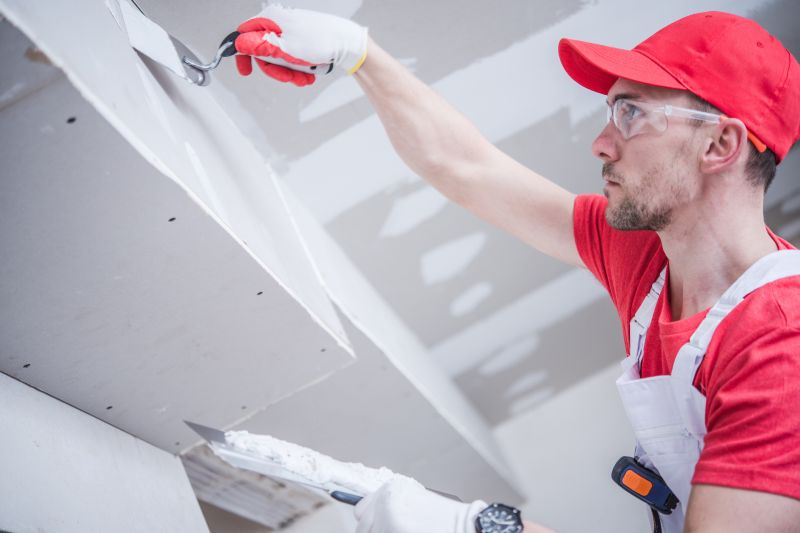
Spring offers moderate weather ideal for drywall repairs, reducing drying issues.
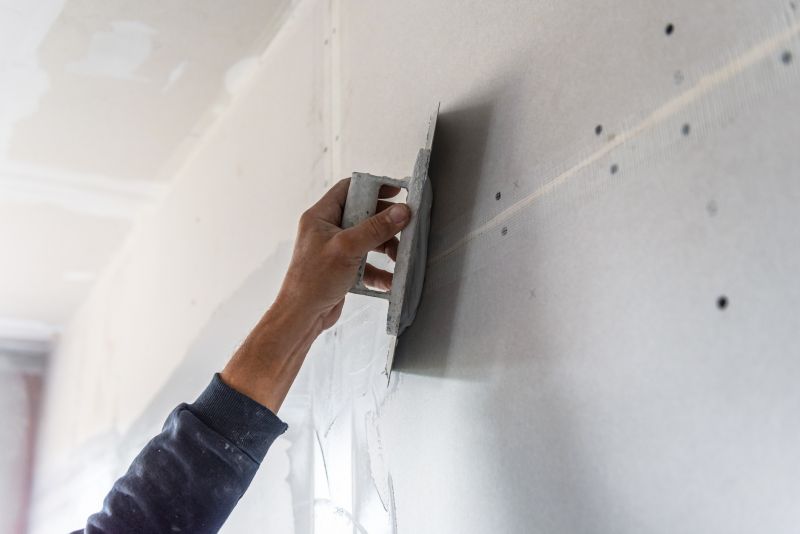
Summer's warmth can facilitate faster drying if humidity is controlled.
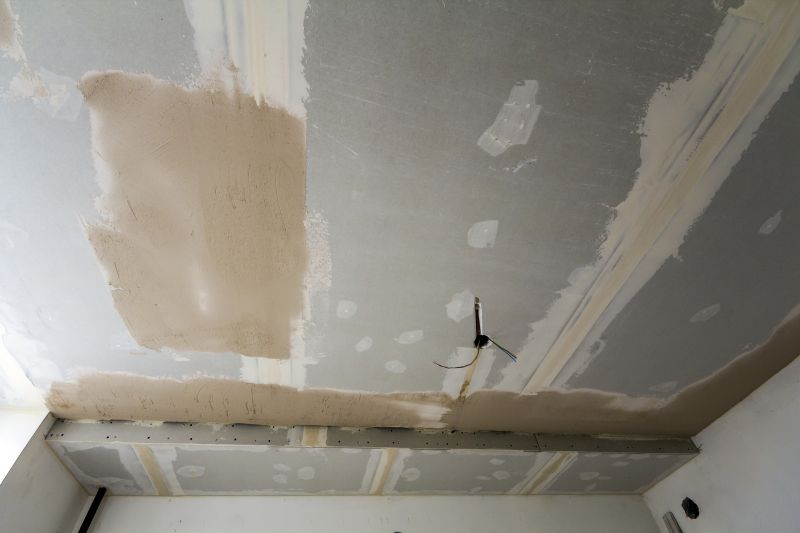
Fall provides cooler temperatures and lower humidity, suitable for repairs.
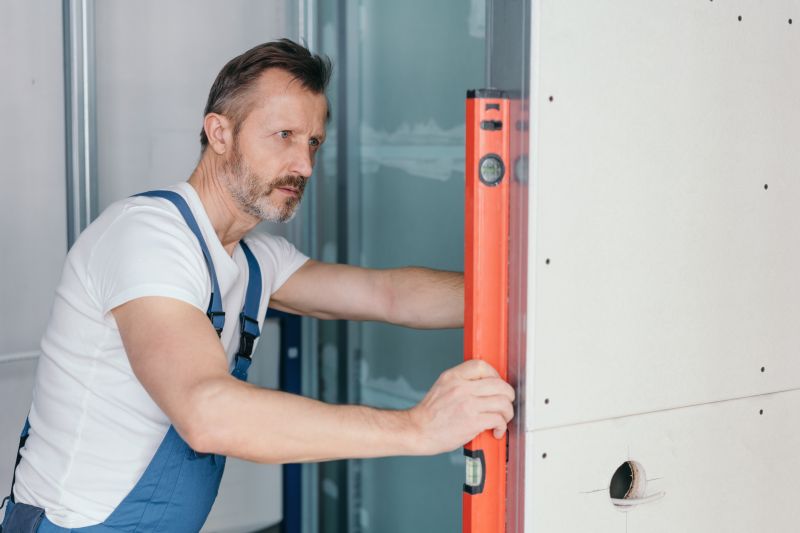
Ways to make Drywall Repairs work in tight or awkward layouts.
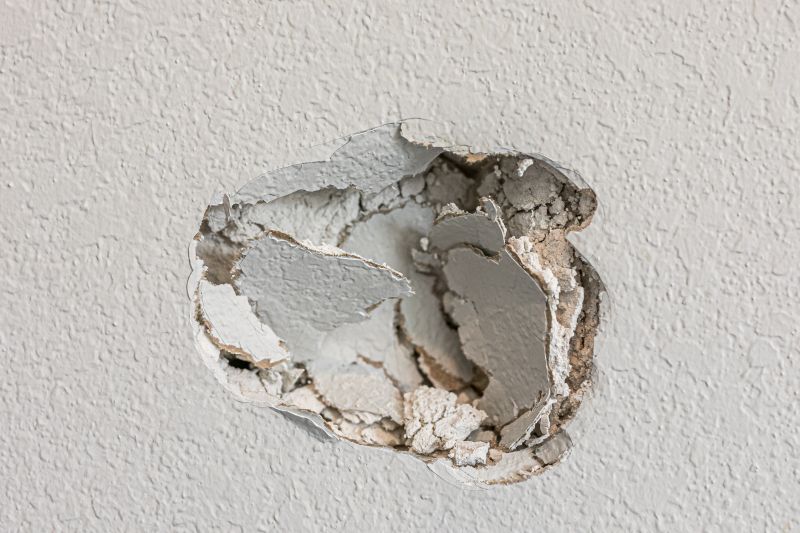
Popular materials for Drywall Repairs and why they hold up over time.
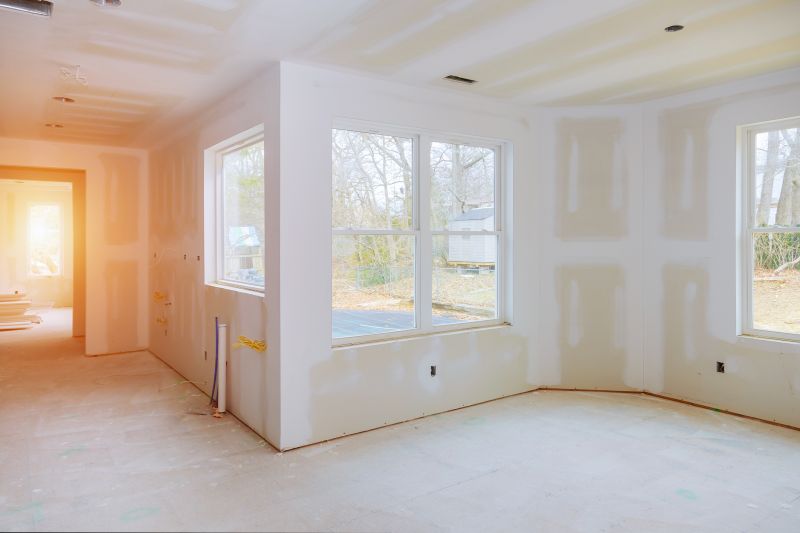
Simple add-ons that improve Drywall Repairs without blowing the budget.
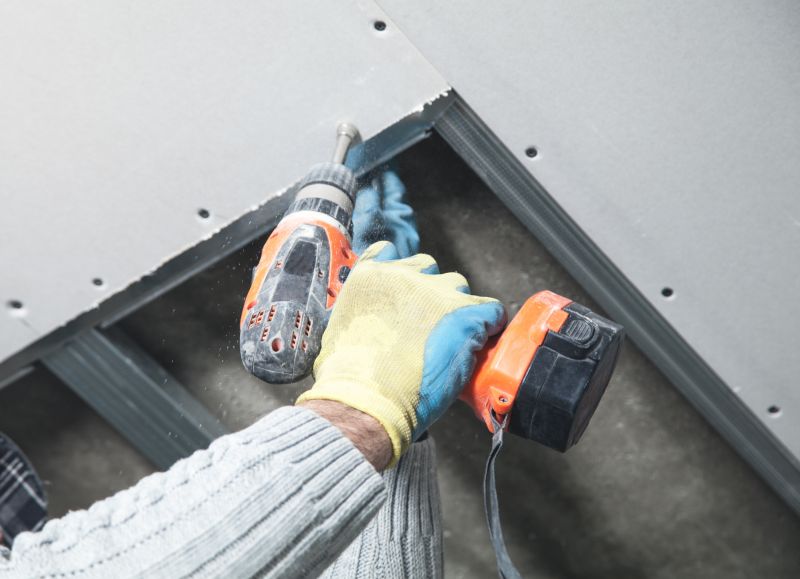
High-end options that actually feel worth it for Drywall Repairs.
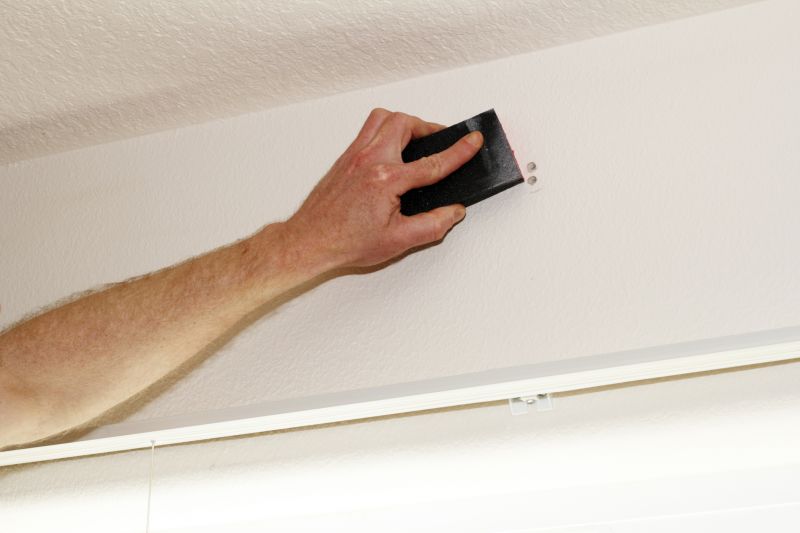
Finishes and colors that play nicely with Drywall Repairs.
| Season | Ideal Conditions |
|---|---|
| Spring | Moderate temperatures, low humidity |
| Summer | Warm temperatures, controlled humidity |
| Fall | Cooler temperatures, low humidity |
| Winter | Cold temperatures, high humidity risk |
Drywall repairs are a common part of maintaining interior spaces, addressing issues such as cracks, holes, and water damage. Proper timing ensures that repairs are durable and visually seamless. Advances in drywall compounds and techniques have improved repair longevity, with proper environmental conditions playing a key role in successful outcomes.
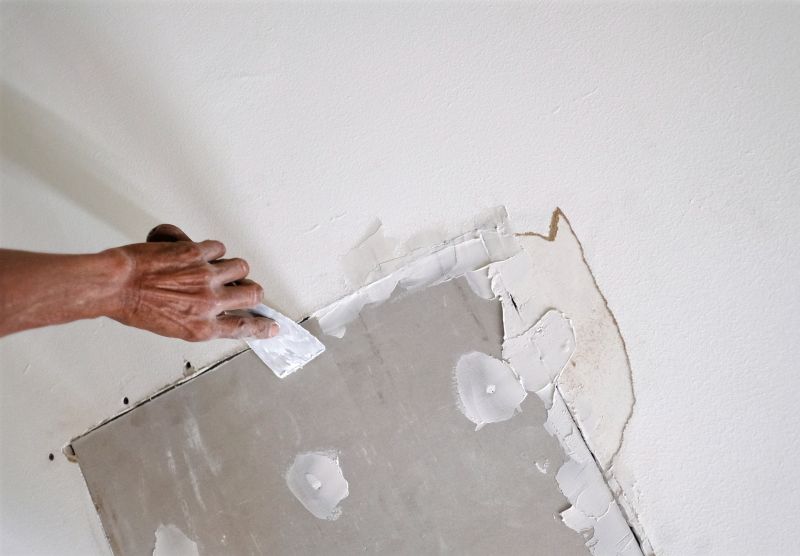
Preparation and environment control are crucial for quality repairs.
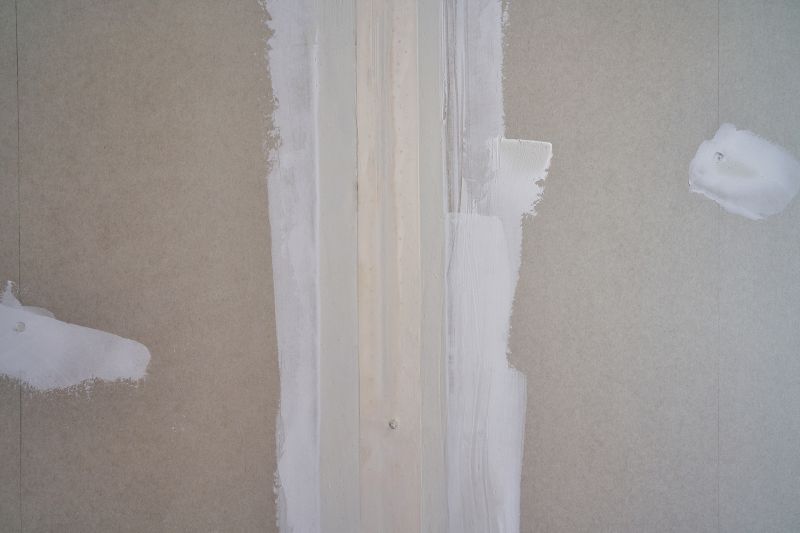
Proper drying time between coats ensures a smooth finish.
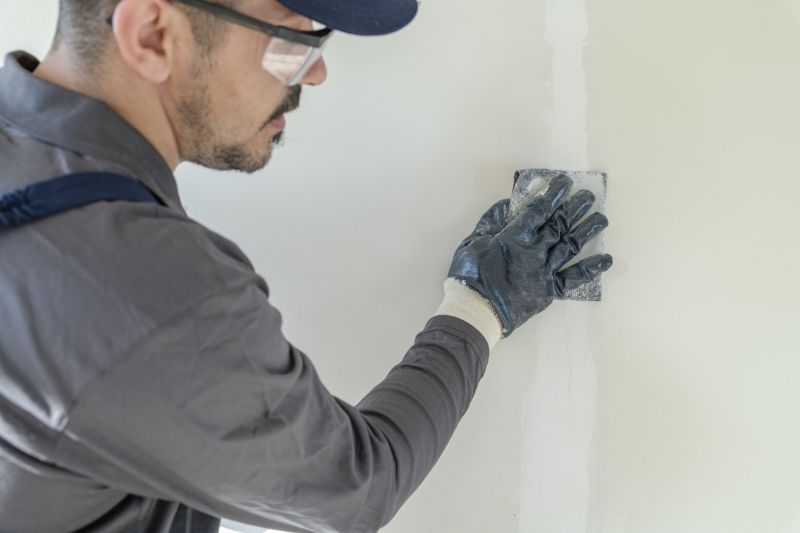
Even sanding is essential for a seamless surface.
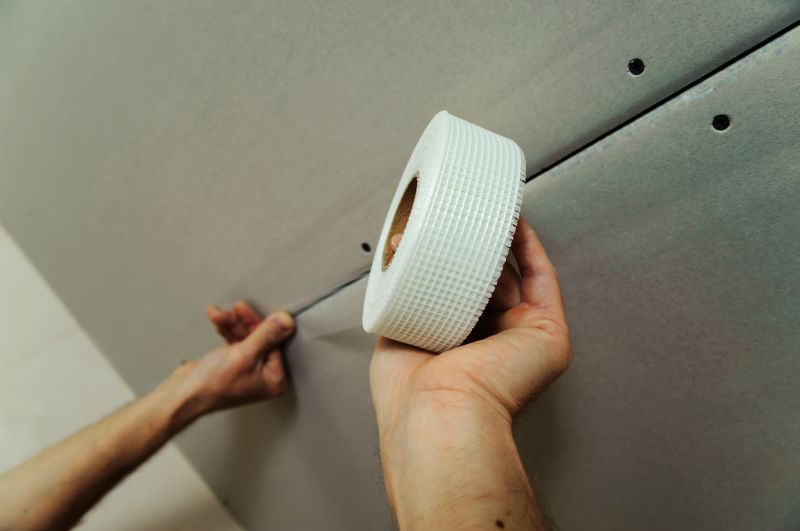
Ensuring repairs blend with existing drywall for a uniform appearance.
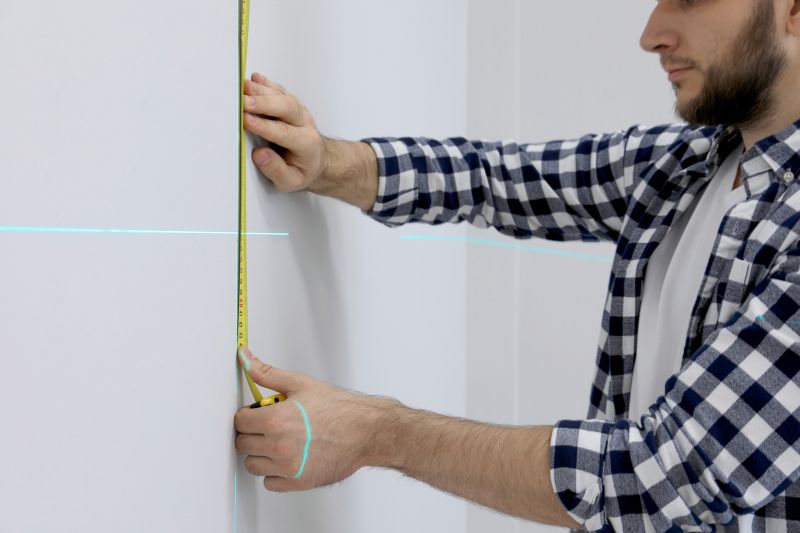
Little measurements that prevent headaches on Drywall Repairs day.
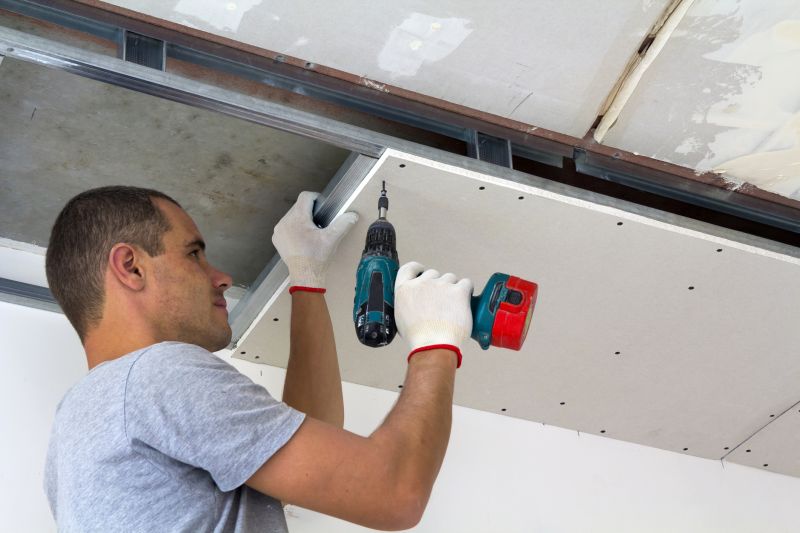
A 60-second routine that keeps Drywall Repairs looking new.
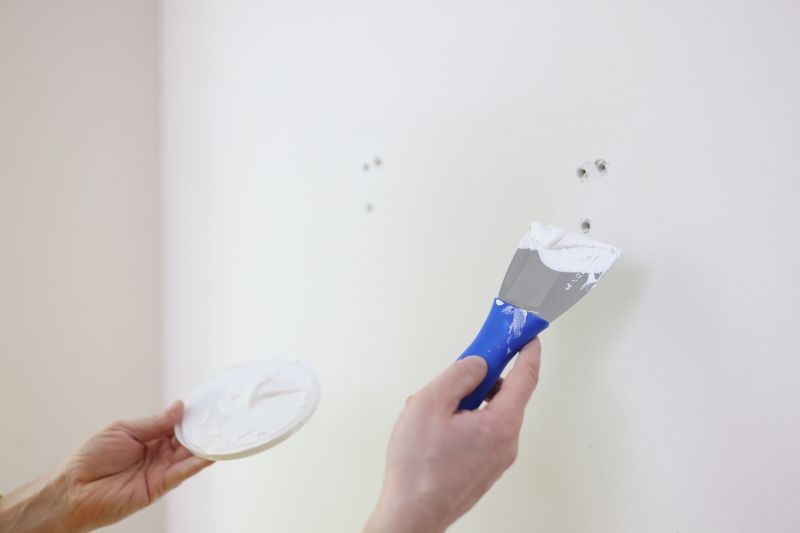
A frequent mistake in Drywall Repairs and how to dodge it.
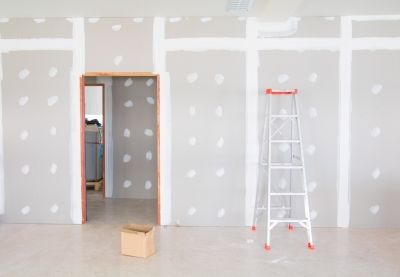
Small tweaks to make Drywall Repairs safer and easier to use.
Interested in drywall repairs? Filling out the contact form can provide more information and help schedule a consultation to address specific needs efficiently.